20 Pro Facts For Choosing Floor Installation
Wiki Article
How Much Do Floor Installations Cost In Philadelphia?
Flooring costs in Philadelphia are among the things that you'll see diverse numbers based on where the search is conducted. almost everything that's online is usually national average data that isn't a reflection of local labor rates, or it's broad enough that it's useless in the context of trying to plan a budget for a job. The Philadelphia metro has its own unique pricing structure: union-adjacent labor markets, an outdated housing stock that often presents subfloor issues, and a wide range between budget installers and licensed flooring contractors with the proper insurance. This is a comprehensive breakdown in the prices for flooring installation in the city, as well as nearby counties at the moment.
1. LVP Installation Is Your Most Affordable Starting Point
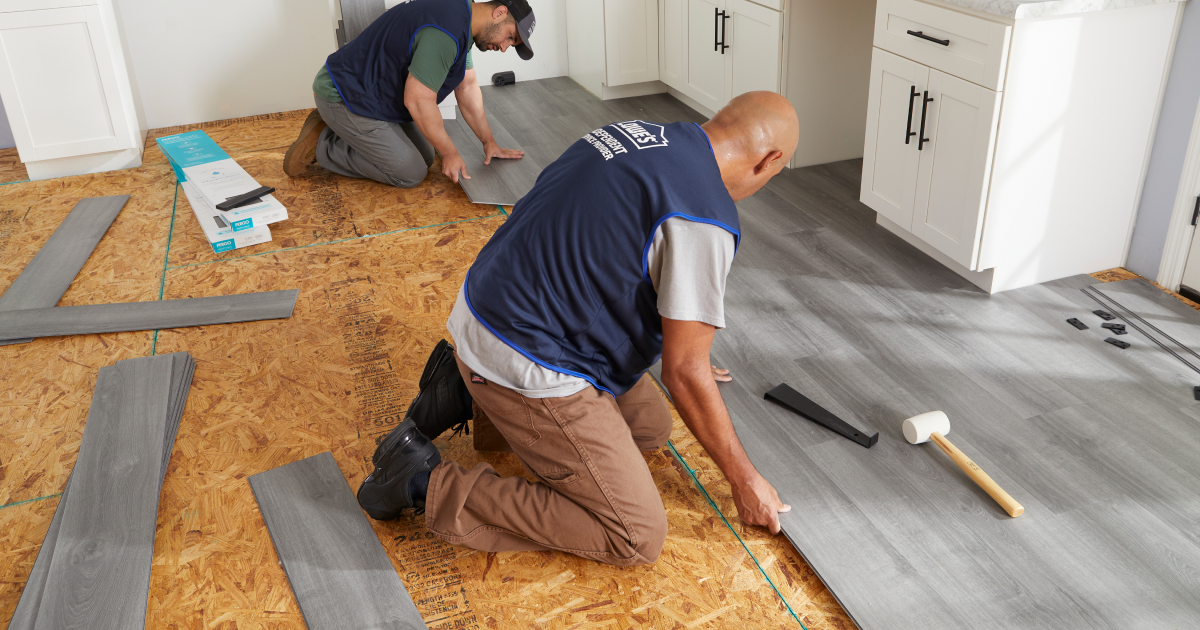
Luxury vinyl plank is consistently cost-effective for installation options in Philadelphia. Most LVP flooring providers within the region offer installation from $2.50 or $4.50 per square foot of labor While mid-priced LVP flooring adding another $2 to $5 by square foot. In total, a typical space can cost $4.50 to $9 for each square foot. It's fast to lay, requires little preparation of the subfloor in most cases, and the floating technique reduces labor costs significantly when compared to nailing-down or glue-down alternatives.
2. Hardwood Installation Costs MoreFor a Reason!
Solid hardwood installation in Philadelphia generally costs from $6 to twelve dollars per square foot for labor, based upon the method of installation employed along with the construction company. Nail-down flooring is at the higher end because it requires greater exactness, a precise depth for the subfloor and takes longer to install. In addition, gluing down hardwood to concrete slabs is a cost-effective way to install adhesive. The actual wood can vary wildly (budget hardwood starts around $3 per square foot but the more expensive species like white oak or hickory will push $10 to $14 per square foot prior to the nail is put in.
3. The cost of refinishing hardwoods is lower than Replacement -- Typically
If the hardwood floors you've got are structurally sound Refinishing and floor sanding in Philadelphia typically costs about $3 to $7 per square footsignificantly less than torn out and replacing. Custom staining of hardwood during refinishing may cost extra, but is much less expensive than new installation. The caveat is that floors that are refinished multiple times or have water damage that is significant or are not thick enough for another round aren't the best feasible candidates. A proper evaluation from a certified flooring installer can tell you which side of that line you're on.
4. Tile Installation Carries a Higher Cost of Labor
Ceramic tile installation and porcelain is the most labor-intensive flooring category. Philadelphia flooring companies typically cost between $7 and $14 per square foot of tile installation with porcelain being at the higher price due to the cutting difficulty. For large tiles or diagonally laid out layouts, and bathroom tile installations with borders or niches push prices even higher. Material costs vary between $1.50 /square foot for ceramic that is basic to $15-plus for premium porcelain. If you've been given an unusually low cost for tile Ask specifically what's included.
5. Laminate Installation is located between LVP and Hardwood
Laminate flooring installation in Philadelphia typically costs between $3 to six dollars per square foot with materials that are included at the low-cost end. It's an elongated floor just like LVP, so labor costs are similar, but laminate is not as tolerant on subfloors that are uneven and more prone to moisture -- which affects where it's most likely to fit in the Philadelphia home. Cheap flooring installation quotes often involve laminate, and it's not always the wrong call considering the space.
6. Subfloor Repair Is a Wildcard This can frighten homeowners
This is the line item that will blow budgets the most often. Subfloor repairs in Philadelphia and other areas -- patching levels, repairing rot, or replacing sections of an old board subfloor can cost from one to three dollars per square foot, on top of the flooring costs, often more. Older homes in Kensington, Germantown, West Philly and similar areas are particularly susceptible to this. Any flooring estimate which doesn't include a subfloor study prior to giving you a final quote should be taken very seriously.
7. Location Within the Metro Will Influence the Price You Quote
Costs for flooring installation in Bucks County, Montgomery County, Delaware County, and South Jersey aren't dramatically different from Philadelphia as a whole, however there are slight differences. Suburban contractors typically have lower overhead; city jobs frequently are subject to access and parking charges. If you're getting quotes from many counties, ensure you're making comparisons like-for-like with regards to what's included -- materials flooring, subfloor prep work furniture transport, and haul-away is handled differently by different contractors.
8. Getting Multiple Free Flooring Estimates Is Non-Negotiable
A majority of the reputable flooring specialists in Philadelphia provide free estimates. Check at least three estimates prior signing anything. The range between the lowest and the highest estimate for similar work is usually 30-40 percent and the most affordable quote is not always the worst option and neither is being the most expensive always the best. What you're interested in is if the contractor has actually evaluated your subfloor, understood the scope of work, and negotiated accordingly.
9. Engineered wood is a great choice at the middle price point
Engineered hardwood flooring in Philadelphia typically runs $5 to $9 for each square foot installed less than solid hardwood, more than vinyl plank, and has the characteristics of performance that make it the best choice for variety of circumstances. It's a good idea to ask any flooring professional you talk with about including some engineered options in their estimate if you're deciding between vinyl and solid wood plank.
10. The lowest-priced offer rarely has Meeting with the Job
Experienced Philadelphia homeowners can provide this one from the experience of their homes. A quote that seems to be below market usually means something has been excluded -- subfloor work bases, transitions and baseboards or proper material acclimation. Installers who are licensed to install flooring incorporate these things into their estimates because they know the job demands them. Budget managers who aren't licensed will put them up for bid to win the bid, then present them as extras once installation has begun. Get everything itemized in writing before anyone begins to tear the floor. Read the best
laminate floor contractors Philadelphia for more examples including hardwood flooring Montgomery County, affordable flooring installation Philadelphia, floating hardwood floor installation Philadelphia, flooring installation Montgomery County PA, flooring contractors Montgomery County PA, LVP flooring installation Philadelphia, nail down hardwood flooring Philadelphia, flooring installers South Jersey, floor sanding and refinishing Philadelphia, LVP flooring installation Philadelphia and more.

Flooring Options That Are Waterproof For Philadelphia Bathrooms
Bathrooms are where flooring selections are the most vulnerable to error. The majority of rooms in a Philadelphia house can handle an item that's only water-resistant, but bathrooms aren't. Showers' steam, water around the bases of toilets or around the sinks' splash zones, and the general humidity that the bathroom is constantly generating is a sign of weakness in flooring that isn't genuinely waterproof. Philadelphia homes present additional wrinkles old subfloors that could be leaking moisture bathrooms that weren't updated since the 1970s, and in a number of rowhomes, bathrooms that are stacked over finished living space, and floor that fails could mean an issue with the ceiling downstairs. Here's what actually does and doesn't work, and what to ask before you put a bathroom floor into.
1. Porcelain Tile is the Benchmark Every Other Surface is Compared
There's a good reason why porcelain tile has been the default bathroom flooring for a long time since it's resistant to water at its tiles' surface, can handle the humidity and steam without losing its properties and, with the proper installation and grout sealing it will surpass all other flooring options in a humid environment. The installation of porcelain tiles in Philadelphia bathrooms is the preferred option which has the longest documented record. There are a few downsidesthe cold, hard joints, and regular maintenance required, however, none other material is able to match the combination of waterproofing and longevity for a bathroom.
2. Ceramic Tiles Are a Good Alternative, It's Not a Suitable Alternative
Ceramic and porcelain are often considered interchangeable, however they're not the same thing for bathroom use. Ceramic is more porous than porcelain, which is important for a room where moisture is constant, not frequently. In a powder room or guest bathroom that is not used frequently, ceramic tile flooring can be a practical and cost-effective option. In a bathroom used as a primary in an Philadelphia home that gets daily showering, the strength and resistance to moisture of porcelain is well worth the extra cost to the square foot. The installation procedure is similar with the result over time isn't.
3. LVP is the most practical Option for Waterproofing Tile
Luxury vinyl plank has genuinely earned its place as a bathroom flooring option. The material itself is 100% waterproof. The core doesn't soak up water, the surface doesn't break down with the presence of moisture. It's also warmer and more comfortable than tiles. One of the caveats to install in bathrooms is that the LVP's waterproofing can only be applied to the planks themselves, but not always to seams that connect them. In a bathroom with significant water exposure -- for instance, a walk-in shower without a proper barrier, or a tub that is freestanding with a large amount of water, it is possible for water to make through planks to penetrate the subfloor over time. The correct installation techniques and seam sealing is important more than any other space.
4. Laminate in a Bathroom is an Unforgivable Decision
It is important to state this plainly because laminate still shows inside bathroom flooring estimate estimates mostly due to its lower price point. Laminate has a wood fiber core. Wood fiber and continuous bathroom moisture are incompatible. The edges are swollen, seams expand, and the layers separate, and damages accelerate in a bathroom more quickly than any other room in the house. Low-cost flooring installation that creates laminate in the Philadelphia bathroom is not an investment, but an upgrade job that has been delayed by several years. Any flooring expert who recommends laminate as a primary bathroom flooring must be asked directly why.
5. The Subfloor of a Philadelphia Bathroom Does Not Need a Comprehensive Assessment
Older Philadelphia rowhomes and suburban colonials frequently have bathroom subfloors with existing evidence of moisture history. This could be from previous leak staining, soft spots from decades of water exposure, or even the original wood subfloors which have absorbed more than they could over the course of time. The installation of new flooring made of waterproof over an old subfloor will not fix the root cause, but covers it while it continues to weaken. Subfloor repair in Philadelphia bathrooms before flooring is put in place isn't an upsell -- it's an essential requirement for the new flooring to work properly and not fail prematurely.
6. Floor Heating Compatibility varies based on Material
Radiant floor heating to be found in bathrooms increasingly well-liked during Montgomery County and Delaware County home improvements -- isn't compatible with all flooring materials. Porcelain tile can conduct and store the heat efficiently, which makes it an ideal floor over an underfloor heating system. LVP is incompatible with radiant heating however there are temperature thresholds which need respect -- too much heat can lead to the dimensional instability. If you are considering bathroom floor heating as part of your renovation project, your flooring material selection and the heating system's specification have to be in dialogue together, not independently.
7. Bathroom Tile Layout Effects Both Appearance and Water Management
This is a distinction that can distinguish skilled tile flooring installers from those with no experience in how to lay tiles. Bathroom floors need an incline towards the drain -- typically 1/4 inch per ftin order to prevent standing water. Tile layouts that don't allow for that, or competes with it with large format tiles that bridge the slope, will cause problems with pooling that eventually make into the subfloor. The layout conversation with your contractor should include how the tile pattern interacts with the drain's position, and not only what it looks like on paper.
8. The choice of bathroom grout is a practical decision
Standard sanded grout used in bathroom installations requires sealing during installation and regular resealing over its lifespan. Epoxy grout, while more expensive than other grouts, more costly, and less forgiving to install -is basically impervious to staining and moisture and doesn't require sealing. For Philadelphia bath tile projects, where homeowners are looking for minimal maintenance epoxy grout is worth the extra cost of labor. For homeowners who want to maintain regular maintenance of their grout, standard grout, sealed in a satisfactory manner. The problem is that it's standard grout that's not sealed in a humid bathroom space.
9. Small Format Tile Helps Bathroom Floor Slopes More Effectively
The trend to use large format tiles -- 24x24 inches and larger, which work well in kitchens and living areas runs into practical challenges in bathrooms. Larger tiles are difficult to push towards drains with no visible unevenness. Furthermore, they require subfloors that are extremely flat to prevent lippage. Tiles with smaller sizes (such as 12x12 or below, and especially mosaic tiles that follow the contours of the bathroom floor more naturally, control drainage slopes more effectively and have greater grout lines, which improve slip resistance when wet. Philadelphia tile flooring contractors who have extensive experience in bathroom design will be able to discuss this before layout decisions are finalized.
10. Bathroom Flooring and Wall Tile Should Be Specificated Together
A mistake that generates some regret, but more for aesthetic reasons than functional challenges, but worthwhile to avoid either. Wall and floor tile interact visually within a small space in ways that cannot be fully understood through only a handful of samples. The scale, the pattern direction, grout color and finish all must be taken into consideration together. Contractors who handle flooring and bathroom tile installation Philadelphia work can collaborate on this. Contractors who deal with only the floor but leave the wall tiles to a separate contractor can create situations where the finished space appears like two separate people made choices independently, because they did. View the most popular Take a look at the best luxury vinyl plank installation Philadelphia for website info including subfloor repair Philadelphia, flooring installation near me Philadelphia, subfloor repair Philadelphia, hardwood floor refinishing cost Philadelphia, flooring installation Philadelphia, LVP flooring contractors Philadelphia, LVP flooring Philadelphia PA, floating hardwood floor installation Philadelphia, vinyl plank flooring Philadelphia PA, free flooring estimate Philadelphia and more.